A new survey from America’s Health Insurance Plans (AHIP) and the Blue Cross Blue Shield Association (BCBSA) is raising alarms about widespread abuse of the federal Independent Dispute Resolution process set up under the No Surprises Act.
According to the findings, nearly 40% of disputes filed through the system in 2024 (the year the law took effect) were ineligible, yet many still advanced through arbitration, forcing employers and health plans to pay unnecessary or inflated claims. Many of these claims are driven by private equity-backed health care providers and not individual health plan enrollees, according to the survey.
According to Kim Keck, president and CEO of BCBSA, the volume of dispute resolution cases has exceeded expectations and is clogging up the system. Many decisions are made despite evidence that the claim is ineligible for compensation.
What the survey found
The survey, which polled health plans covering 154 million Americans, found that:
40% of all disputes were identified by insurers as ineligible, including 45% of nonemergency service disputes.
Only 17% were ultimately deemed ineligible by the federal arbitration entities, meaning more than half of improper cases still resulted in binding payment determinations. This suggests that the referees in the IDR system are failing to identify a large volume of ineligible disputes submitted by providers.
20 million claims were filed in 2024, with emergency services making up about 61% of the total.
Air ambulance claims, though fewer than 1% of submissions, were the most likely to reach arbitration and involved high-dollar payouts.
Bright spots
While the survey identified potential abuse in the system, it also found evidence that it works in legitimate cases:
In 2024, nearly 20 million health care claims met the criteria for federal surprise billing protections, meaning nearly 20 million surprise bills were prevented in 2024.
Three out of four claims were paid without further dispute when providers accepted the plan’s initial payment.
Once arbitration decisions are issued, plans pay nearly three-quarters of arbitration awards within 30 days; 41% were paid in just 15 days.
When delays occurred for qualified IDR items or services, they were most often due to provider submission errors (e.g., wrong contact info, missing details) or processing challenges stemming from the very high volume of IDR cases.
The crux
While the No Surprises Act has successfully shielded employees from unexpected medical bills, the volume of ineligible disputes now clogging the system is driving claims costs.
Arbitrators often side with providers, leading to payments that far exceed in-network rates. As those costs cascade through plan spending, premiums and overall claim costs rise, affecting employer budgets and employee contributions alike.
AHIP and BCBSA said the current system lacks a workable appeal process, leaving plans no avenue to challenge decisions even when the underlying dispute should never have qualified.
The two groups are urging federal regulators to tighten oversight, clarify eligibility rules and impose stronger screening to prevent improper cases from moving forward.
They also called for “realigned incentives” so that independent dispute resolution entities are not rewarded for pushing unnecessary claims through arbitration.
Takeaway
For employers, the survey highlights how a well-intentioned law meant to protect patients has, in practice, created a potentially costly loophole.
Until regulators reform the system, arbitration under the No Surprises Act may continue to inflate claims costs and premiums, even for cases that never should have been disputed.
Staying in the same plan after year can be a waste of money if someone is in the wrong plan for them. And not understanding benefits can lead to wasted money as well, as workers often skip necessary appointments, check-ups and treatment regimens for chronic conditions, which in turn puts their health at risk.
As coverage has grown in complexity over the past decade, it’s important that you provide the resources for your employees to choose the health plan that is best for them. Here are three tips that will help them get the most out of their benefits.
Don’t skimp on explaining
While some employees’ eyes are bound to gloss over while someone is explaining the various plan options, their networks, their copays, deductibles and more, it pays to take the time to explain them step by step.
That means breaking the benefits down to the basics in language anyone can understand. Avoid getting bogged down in health insurance jargon and keep it simple. The simpler the better.
Don’t think of it as talking down to your employees, because there’s a good chance some of them are not familiar with how health coverage works. Encourage questions, by telling them there are no stupid questions. Invite employees to speak one-on-one with your benefits point person if they have questions they’d rather ask privately.
Make benefits communications all year long
When the new year starts and open enrollment is in the mirror, most employers don’t reach out to staff until a few weeks before the next year’s enrollment period starts.
Plan now for regular benefits communications throughout next year. Send them e-mails and materials during the course of the year that remind them to consider how their current coverage is measuring up to their needs.
This is especially important if someone’s health situation changes. They may be looking to make a change during the next open enrollment, and feeding them periodic memos about their coverage can help them educate themselves and prepare.
Communications could include explainers about cafeteria plans, health savings accounts, how to use their health benefits wisely, and more.
Know your crew
After open enrollment, run a report looking at what plans your employees are signed up for and see if they are concentrated in certain plans. Many employees when choosing health plans ask their co-workers, which often leads to them choosing a plan that is not optimum for them since there are many factors that may vary, including:
Their age.
Whether or not they are married.
Whether or not they have children.
Their health situation.
That’s why it’s important to run some analytics on your employees’ health plan choices. We can work with you to make sure that they are in the right plans and identify what might be a better alternative for them.
For example, in many cases, the younger and healthier someone is, the best choice may be a high-deductible health plan with lower premiums, tied to an HSA. Older employees and those with health conditions — those who are more likely to use medical services and be on medication — may need a plan with a lower deductible.
The takeaway
It benefits both your employees and you if your employees are in the appropriate plan for their life and health situation.
Fortunately, you can ensure that they understand their benefits by understanding their needs and helping them learn about their benefits throughout the year.
As cancer rates rise among working adults, treatment has become one of the fastest-rising expenses in employer-sponsored health plans, according to a new survey.
The survey by the International Foundation of Employee Benefit Plans (IFEBP) found that 86% of employers have seen their cancer care spending increase over the past year, with a median rise of 11%, making it one of the most significant contributors to overall health care cost growth.
As more employees get diagnosed with cancer, which in turn increases the cost of care for employers, they are increasingly turning to strategies that direct plan members to high-quality, cost-efficient providers and care facilities.
What’s driving the trend
Employers report that cancer-related costs are increasing due to a mix of:
Expensive specialty drugs — Many of the newest cancer drugs can cost $20,000 to $40,000 per month, while gene and cell therapies can top $1 million per course. Even with negotiated network discounts, the compounding cost of these treatments is straining plan budgets.
New treatment technologies — New high-cost therapies like immunotherapies and gene-based treatments are regularly coming on line.
A higher number of working-age adults being diagnosed with cancer — New cancer diagnoses are expected to exceed 2 million cases in 2025, with rising rates among women under 50 and cancers such as colorectal, breast and cervical appearing more often in younger age groups.
More people are surviving cancer — Employees and their dependents are entering treatment phases earlier and remaining in survivorship programs longer, adding sustained costs for employers.
How employers are responding
Employers are increasingly turning to steerage techniques that direct plan members to high-quality, cost-efficient providers and care pathways. According to IFEBP, the most common approaches include:
Nurse navigators (63%) to help employees coordinate complex care.
Second-opinion programs (58%) to validate treatment plans.
Centers of excellence (42%), which offer bundled, value-based pricing.
Treatment center networks (24%) and virtual care clinic vendors (18%).
Value-based contracts (17%) and point-of-care testing (15%).
Among employers using these strategies, the primary goals are:
Improving outcomes (66%),
Offering personalized support (59%) and
Negotiating lower prices (33%).
Nearly a third is experimenting with alternative payment models such as shared-savings or bundled-rate arrangements that tie reimbursement to results rather than the volume of care.
Prevention and early detection
Experts say early detection offers the greatest potential to control both costs and outcomes. However, only about half of employees receive annual preventive care, and a significant portion of catastrophic cancer claims is linked to individuals who skipped routine screenings.
Employers can help by:
Promoting annual preventive exams and age-appropriate cancer screenings.
Covering or incentivizing genetic and biomarker testing for at-risk employees.
Incorporating AI-assisted diagnostics and at-home testing options for early detection.
Providing educational campaigns on modifiable risk factors such as smoking, obesity and inactivity.
To manage this, benefit professionals are urged to take a comprehensive, life-cycle approach from prevention and early screening to treatment navigation and survivorship care. As Julie Stich, IFEBP vice president of content, noted, employers must “offer the most effective cancer care treatments while also exploring cost-control techniques.”
With health insurance costs continuing to climb, many employers are finding that standard medical coverage alone doesn’t offer enough financial protection for their staff.
Rising deductibles, higher out-of-pocket maximums and the soaring cost of care are pushing workers to look for other ways to fill the gaps. Employers can step in to meet that need with voluntary benefits.
Once considered optional add-ons, voluntary benefits such as accident, hospital indemnity, critical illness, group life, dental and vision insurance are increasingly becoming essential parts of a well-rounded benefits package. Wellness programs, employee assistance plans and financial counseling options are also now viewed as integral to overall well-being.
A shift in expectations
Prudential’s “2025 Benefits and Beyond” study found that nearly a quarter of employees expect these voluntary benefits to be included as part of a modern workplace offering. But often, employers are not providing the benefits that employees say they need. The poll found that 86% of employers say their benefits are modern, but only 59% of employees agree.
This discrepancy has started to resonate with employers. As a result, 70% of employers plan to make changes to their benefits offerings within the next two years, with 22% expecting significant overhauls.
Employees say their biggest concerns are:
Saving for retirement (45%),
Covering everyday expenses (44%),
Paying for housing (29%), and
Simply making it from paycheck to paycheck (26%).
When a single medical event can upend financial stability, benefits that offer supplemental protection can provide an important financial backstop and save an employee from financial disaster.
Why voluntary benefits matter now
Voluntary benefits provide cost-effective coverage options that protect employees from the unexpected.
For example:
Accident, critical illness and hospital indemnity policies help offset out-of-pocket costs that major medical insurance doesn’t cover, such as co-pays, deductibles, transportation, lodging and lost income during recovery.
Dental and vision plans promote preventive care that can reduce larger medical costs over time.
Wellness and mental health programs, another key element of today’s voluntary benefits landscape, help employees manage stress and anxiety that affect productivity and retention. (In Prudential’s research, 63% of employees said they have mental health concerns for themselves or a family member, yet only about the same share feels their benefits help them manage overall well-being.)
Benefits for both sides
Expanding voluntary benefit offerings and ensuring you have the benefits your employees really want support recruitment and retention while containing costs.
Because these plans are typically employee-paid through payroll deduction, they add value without significantly raising the employer’s benefit budget. Employers also gain a competitive advantage in a labor market where workers expect more comprehensive protection and well-being support.
Employees gain access to affordable coverage that helps them manage risk and avoid financial hardship. For many, paying a few extra dollars per paycheck for supplemental coverage can prevent a small setback from becoming a financial crisis.
With employers bracing for another steep rise in health care expenses, many are preparing “disruptive” changes, according to a new report.
Employers surveyed for the “WTW 2025 Best Practices in Healthcare Survey” said they anticipate their health care costs will increase by 9% in 2026. They told researchers they can’t absorb the increases or pass them on in full to employees, and instead hope to chip away at costs through a multi-pronged approach.
Since your are likely experiencing cost pressures as well, here’s a look at what your peers are experiencing and doing about it.
Where employers will focus
Managing vendor contracts — Survey results show 46% of employers are actively evaluating vendor performance.
Pharmacy benefit managers are under particular scrutiny, with three-quarters of employers either bidding out or planning to rebid their PBM. Many are also exploring more transparent, pass-through contract models.
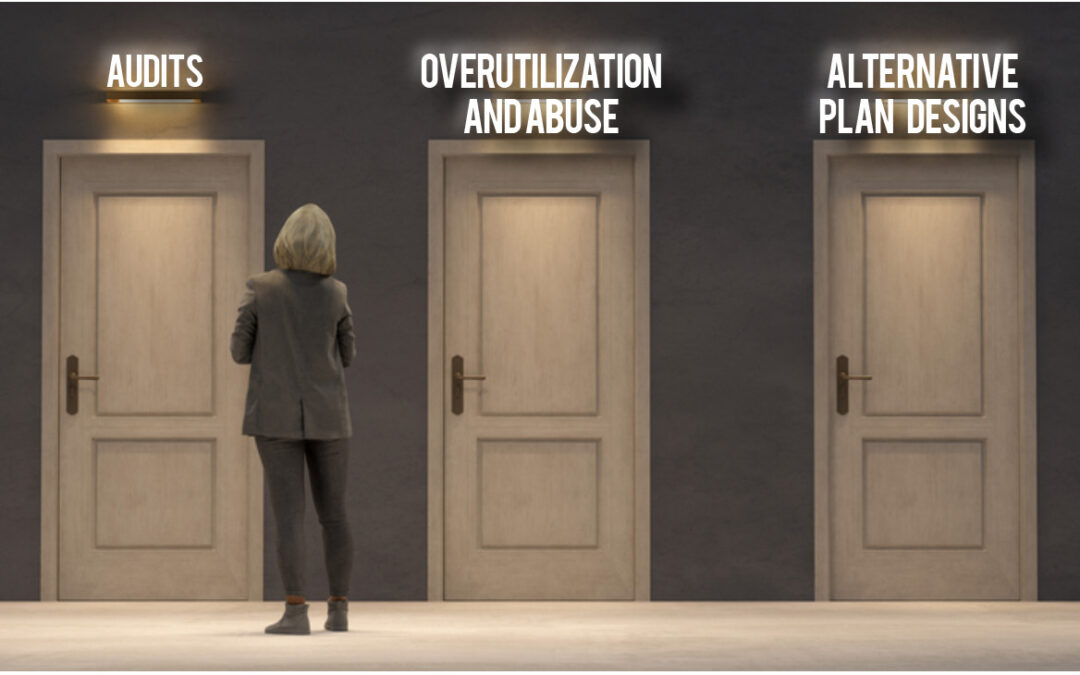
Conducting audits — One-third of employers already conduct medical claims audits, and nearly half plan to add them. Another 22% have reviewed prior authorization or out-of-network payments, with 34% planning to.
These audits help uncover overpayments, billing errors or inappropriate authorizations. By increasing oversight, employers can identify waste, enforce contract terms and make sure vendor processes align with plan rules.
Preventing overutilization and abuse — Unchecked use of services remains a top cost driver, especially for specialty drugs, imaging and inpatient procedures.
Employers are taking a closer look at utilization controls, including stricter prior authorization, step therapy for high-cost drugs and site-of-care management to steer members toward lower-cost outpatient settings.
Note: Step therapy involves trying other lower-cost methods first, such as other proven medicines that aren’t as costly as new medications.
Alternative plan designs — Currently used by 41% of companies, alternative plan designs are expected to grow rapidly, with adoption potentially reaching 87% within two years.
These designs may include:
Tiered or narrow networks,
Transparent cost tools, and
High-performance primary care models.
Employers are also using technology and enhanced navigation to guide employees when choosing providers. By structuring benefits to reward use of cost-effective, high-quality providers, employers told WTW they hope to chip away at growing costs while improving the employee experience.
The takeaway
If you are are concerned about rate hikes, talk to us about steps you can take to get a better handle on your health plan by incorporating some of the steps listed above.
When it comes to pharmacy benefit management, not all PBMs are created equal. Many traditional PBMs rely on opaque pricing models, hidden rebates, and misaligned incentives that can drive costs up instead of bringing them down. For benefits consultants, asking the right questions up front is key to ensuring transparency and delivering measurable savings.
Below is a checklist of essential questions every benefits consultant should ask a prospective PBM, along with red flags and differentiators to look for.
How is your pricing structured?
Why it matters: Traditional PBMs often profit from spread pricing and rebate arrangements that aren’t in the client’s best interest.
Red flag: If the PBM avoids explaining how they make money, chances are the incentives are misaligned.
What to look for: A pass-through pricing model with full transparency. At US-Rx Care, we don’t profit from rebates; we align savings directly with the plan sponsor.
Can you guarantee clinical savings, not just discounts?
Why it matters: Discounts sound good, but they don’t always translate into lower net costs. Without effective clinical management, “discounted” drugs are only solving for one piece of the puzzle.
Red flag: A PBM that only talks about discounts without showing outcomes data.
What to look for: Evidence-based clinical oversight that ensures patients are on the right drug at the right time, preventing unnecessary spend.
How do you handle specialty medications?
Why it matters: Specialty drugs represent less than 2% of prescriptions but more than 50% of drug spend. This is where PBMs often inflate margins.
Red flag: Limited transparency around specialty sourcing and pricing.
What to look for: Programs that ensure clinical appropriateness and offer alternative sourcing strategies. US-Rx Care consistently delivers significant savings on specialty medications without reducing access or quality.
What level of transparency do you provide?
Why it matters: A PBM should be a partner, not a unknown variable. Without visibility, consultants and plan sponsors can’t validate true performance.
Red flag: Reporting that’s overly complicated or excludes certain fees, rebates, or data.
What to look for: Full transparency in contracts, reporting, and outcomes. US-Rx Care provides clear, auditable reports so consultants can demonstrate value with confidence.
How do you align with fiduciary responsibility?
Why it matters: Plan sponsors have a fiduciary duty to act in the best interest of their members. A PBM that prioritizes its own profits puts employers at risk.
Red flag: Any PBM that claims savings but can’t demonstrate alignment with ERISA requirements.
What to look for: Fiduciary-focused solutions that ensure plan sponsors meet their obligations. US-Rx Care contracts are built to protect both the plan and its members.
Key Takeaway for Consultants
A PBM should work for the client, keeping their best interests, and those of the members, at the forefront. By asking these critical questions, benefits consultants can uncover red flags and position themselves as trusted advisors who deliver real value.
We’ve built our model around transparency, fiduciary alignment, and clinically driven savings. The result? Lower costs, better outcomes, and confidence that your PBM is truly on your side.
Discover how US-Rx Care can deliver measurable savings and transparency for you. Connect with us today at usrxcare.com/contact.